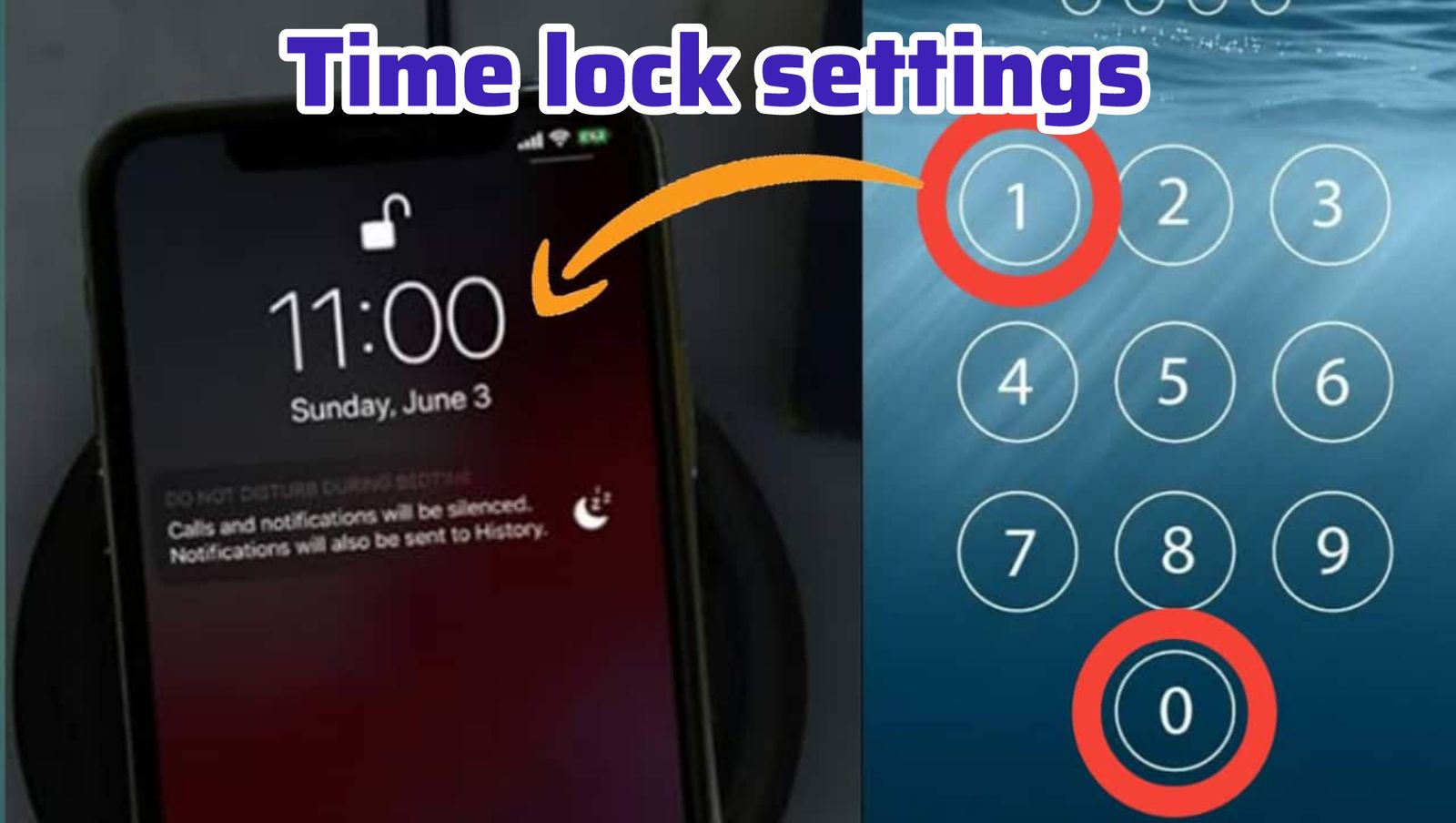
Android smartphones give users powerful control over privacy, battery life, and everyday usability. One of the most important yet often overlooked settings is the screen lock. When configured correctly, it helps protect your personal data, saves battery power, and improves how smoothly you interact with your device. In this detailed guide, you will learn how to adjust screen lock time on Android, why it matters, and how to troubleshoot common problems.
What Is Screen Lock Time on Android?
Screen lock time refers to how long your phone stays active before automatically locking itself when not in use. Once this time expires, the device requires a PIN, pattern, password, fingerprint, or face authentication to unlock again. The screen lock system is designed to balance security and convenience, ensuring your phone is protected without becoming frustrating to use.
Why Adjusting Screen Lock Time Is Important
Changing your lock time is not just about preference; it directly affects security and performance. A shorter timeout improves protection if you leave your phone unattended, while a longer timeout is helpful when reading, watching videos, or following instructions.
Proper screen lock settings can help you:
-
Prevent unauthorized access to your phone
-
Reduce accidental touches when the device is idle
-
Improve battery efficiency
-
Customize the phone experience based on your routine
How to Adjust Screen Lock Time on Android (Step-by-Step)
Follow these simple steps to adjust the lock timeout on most Android devices. The menu names may differ slightly depending on your phone brand and Android version.
-
Open the Settings app on your Android phone.
-
Scroll down and tap Display.
-
Look for Screen timeout or Sleep.
-
Choose your preferred time (15 seconds, 30 seconds, 1 minute, 2 minutes, 5 minutes, etc.).
-
Exit settings, and your changes will be saved automatically.
By adjusting these options, you can control how quickly the screen lock activates when your phone is idle.
Adjusting Screen Lock Time on Popular Android Brands
Different manufacturers customize Android settings slightly. Here is where you can usually find the timeout option:
-
Samsung: Settings → Display → Screen timeout
-
Xiaomi (MIUI): Settings → Always-on display & Lock screen → Sleep
-
Oppo / Realme: Settings → Display & brightness → Auto screen off
-
OnePlus: Settings → Display → Screen timeout
No matter the brand, the purpose of the screen lock remains the same: protecting your device while managing usability.
Screen Lock Time and Battery Life
Many users do not realize that screen timeout directly affects battery consumption. A longer display-on time uses more power, especially with high brightness levels. If battery life is a priority, choosing a shorter timeout is a smart decision.
Using an optimized screen lock duration can:
-
Reduce screen-on time
-
Lower power drain
-
Extend daily battery performance
For best results, combine a shorter timeout with adaptive brightness.
Screen Lock Time vs. Auto-Lock: What’s the Difference?
Although often used interchangeably, screen timeout and auto-lock are not exactly the same. Screen timeout controls when the display turns off, while auto-lock controls when security protection activates.
In many devices, the screen lock activates immediately after the screen turns off. However, some Android versions allow a delay before locking, giving users extra flexibility.
Common Problems When Adjusting Screen Lock Time
Sometimes users cannot change the lock timeout or see limited options. Here are common reasons and solutions:
Device Administrator Restrictions
Work profiles, company email apps, or security apps can restrict timeout settings. Removing or adjusting these permissions may restore full control.
Battery Saver Mode
When enabled, battery saver may limit screen timeout options. Disable it temporarily to change settings.
Software Bugs
Outdated software can cause settings to malfunction. Updating your Android system often resolves such issues related to screen lock behavior.
Extra Tips to Improve Screen Lock Experience
To make the most of your lock settings, consider these tips:
-
Enable fingerprint or face unlock for quick access
-
Use Smart Lock features (trusted devices or locations)
-
Keep lock screen notifications limited for privacy
-
Avoid very long timeout settings in public places
These enhancements make the screen lock system smarter and more user-friendly.
Best Screen Lock Time Settings for Different Users
Choosing the right timeout depends on how you use your phone:
-
High security users: 15–30 seconds
-
Casual users: 1–2 minutes
-
Readers and learners: 5–10 minutes
-
Battery-focused users: Shortest available option
Finding the right screen lock balance improves both safety and comfort.
Download here